

Why choose BAS working electrodes?
♦ Techniques to enhance durability and reproducibility
Thorough polishing of the working electrode is a key factor in maintaining a smooth and clean reaction surface, which is crucial for achieving reproducible electrochemical results.
BAS working electrodes feature reactive materials, such as glassy carbon and various noble metals, press-fitted at a thickness of 4 to 4.5 mm ∗. This robust design ensures that the electrode can withstand repeated physical polishing over long periods without the risk of losing the reactive section or suffering internal corrosion from solution seepage. Depending on the operating environment and proper maintenance, these electrodes can provide reliable service for over a decade.
(∗ The specified length is measured at the time of press-fitting. Please note that the actual length may be slightly shorter due to the final surface polishing process performed prior to shipment.)
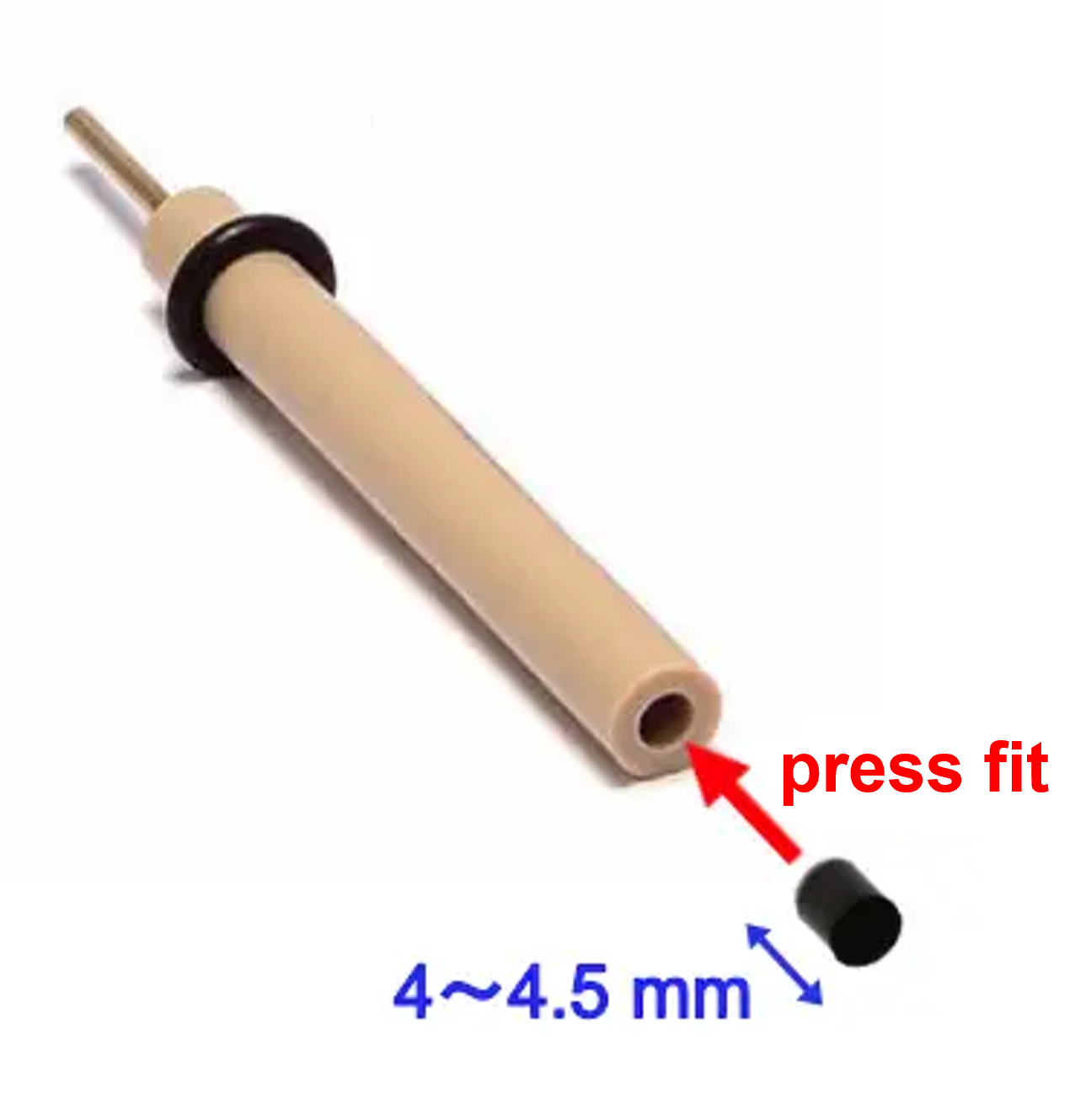
♦ Rigorous selection of high-purity materials to ensure reliability
All materials used for the working electrode reaction surface have been carefully selected to ensure high purity and reliability. With the exception of glassy carbon, all of these materials are sourced from domestic suppliers in Japan.
Examples of high-purity materials include: 99.95% Platinum, 99.99% Gold, 99.99% Silver, 99.9% Copper, and 99.99% Aluminum. The glassy carbon material features an ash content of less than 100 ppm.
♦ Quality Guaranteed: Made in Japan
All BAS working electrodes are handcrafted by skilled specialists at our headquarters in Japan.
Every manufactured working electrode undergoes 100% performance testing on-site. The resulting electrode check data can be accessed at any time via our website by simply entering the serial number.
The actual number of claims involving suspected initial defects over the past five years (Japanese fiscal year) is as follows:
• 2020: 0 cases
• 2021: 1 case (deformation of the Teflon coating)
• 2022: 0 cases
• 2023: 2 cases (warping of the PEEK body material; damage caused by repeated long-term scanning in strong acid)
• 2024: 0 cases (not covered under warranty: damage during catalyst modification)